Trends
Illuminating Opportunities: Designing Vibrant Night-Time Cities
September 15, 2026
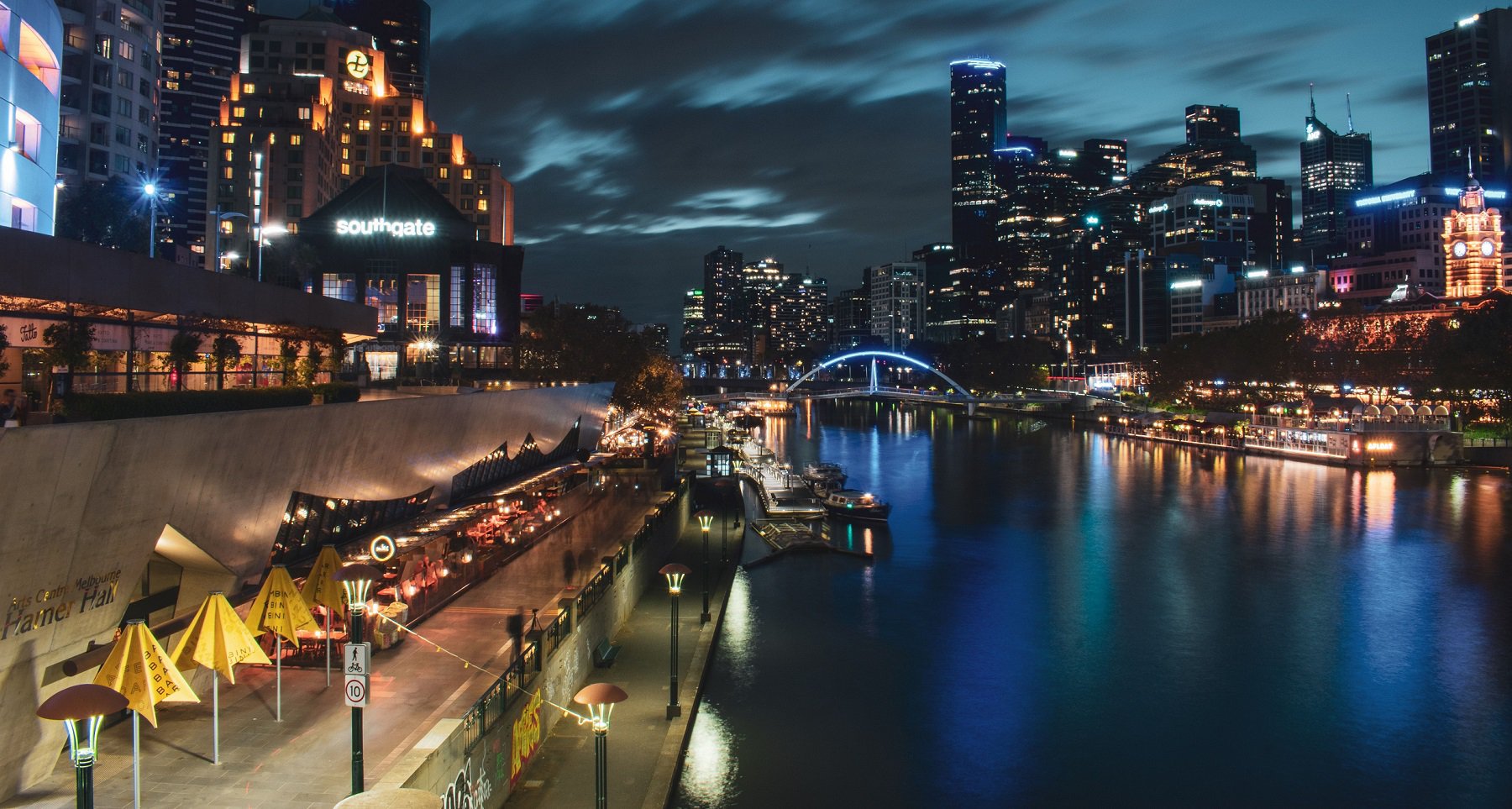
Designing vibrant night time cities means thinking beyond illumination alone. It involves creating environments that feel inviting, legible, active, and comfortable for people to use in the evening as well as during the day, as urban rhythms are fundamentally changing.
For decades, urban planning has been inextricably linked to the nine-to-five rhythm, creating environments that function efficiently during daylight hours but falter as the sun sets. However, the post-pandemic world has fundamentally altered this dynamic. The rise of flexible working arrangements, the increasing number of shift workers, and a cultural shift towards late-night leisure have created a demand for 24-hour urbanism that many cities are ill-equipped to support.
This night-time underutilisation leads to lost economic opportunities, idle public assets, and diminished liveability. Shift workers and young professionals struggle to access amenities, while tourists miss cultural experiences. Cities risk stagnation if spaces designed primarily for daytime fail to adapt. The consequence is clear: without intentional design, night-time urban environments squander potential for growth and inclusivity.
For decades, urban planning has been inextricably linked to the nine-to-five rhythm, creating environments that function efficiently during daylight hours but falter as the sun sets. However, the post-pandemic world has fundamentally altered this dynamic. The rise of flexible working arrangements, the increasing number of shift workers, and a cultural shift towards late-night leisure have created a demand for 24-hour urbanism that many cities are ill-equipped to support.
This night-time underutilisation leads to lost economic opportunities, idle public assets, and diminished liveability. Shift workers and young professionals struggle to access amenities, while tourists miss cultural experiences. Cities risk stagnation if spaces designed primarily for daytime fail to adapt. The consequence is clear: without intentional design, night-time urban environments squander potential for growth and inclusivity.
KEY CHALLENGES
Several interconnected issues hinder effective night-time activation. Safety and perception problems dominate, with poor lighting in public spaces amplifying feelings of vulnerability. Low evening foot traffic exacerbates this, compounded by limited police or security presence after hours.
Infrastructure gaps compound the difficulties. Public transport frequency plummets late at night, stranding users, while wayfinding systems designed for daytime use become ineffective in low-light conditions.
Regulation and planning frameworks, often developed with daytime uses in mind, can inadvertently add rigidity. Conventional zoning that separates residential and commercial functions can push evening activity into concentrated entertainment districts, increasing noise and nuisance for its residents. Strict closing times and licensing regimes may reduce the viability of night-time businesses, while fragmented responsibilities across agencies make coordinated programming and investment difficult.
Design oversights compound the problem. Many spaces prioritise daytime functions, ignoring diverse user groups such as shift workers, tourists, and night owls. Inflexible layouts resist adaptation to nighttime needs, perpetuating empty streets and missed opportunities.
PROVEN SOLUTIONS
Night time design is not only about making spaces visible. It also affects how safe a place feels, how long people stay, and whether streets or public areas remain active after dark. Cities can address these challenges through targeted design strategies. Each solution integrates practicality with innovation, balancing economic vitality and community needs. Lighting, frontage, programming, and circulation all play a role in shaping the quality of the evening experience.
1. Strategic Lighting Design tackles safety, wayfinding, and ambiance. Layered approaches combine functional illumination for safe navigation with atmospheric lighting to create appeal. Dynamic systems adjust brightness and colour based on time of day, peaking during evenings. Key pathways, gathering points, and landmarks receive emphasis, transforming streets into inviting corridors. Singapore's Marina Bay Sands exemplifies this, where adaptive LED arrays enhance security and draw crowds without overwhelming glare.
2. Mixed-Use Programming and Flexible Spaces counter empty streets and limited activities. Designating areas for evening markets, pop-up dining, and performances injects energy. Moveable furniture and temporary installations allow reconfiguration for events. A coordinated calendar differentiates weekday programming, focused on workers, from weekend cultural offerings. Partnerships with local businesses ensure sustainability, as seen in London's Southbank Centre, where modular setups host diverse night-time events.
3. Multimodal Transportation and Accessibility resolves after-hours mobility constraints. Extending public transport, via night buses or late-night metro services, connects districts. Well-lit walking routes with clear signage link transit hubs to destinations. Accessible facilities, including bathrooms, water points, and seating, support prolonged use. Safe waiting areas at stops, equipped with shelters and real-time updates, build confidence. Tokyo's efficient late-night trains demonstrate how such systems sustain economic flow.
4. Safety-First and Inclusive Design is essential to address both actual and perceived safety concerns. This means creating clear sightlines and prioritising active frontages, like cafes and transparent shopfronts, over blank concrete walls. Active frontages provide natural surveillance that deters antisocial behaviour. Integrating community policing and visible emergency communication systems further enhances security. New York's High Line park applies these principles, with open vistas and populated edges reducing perceived unsafety by 25 per cent. Ultimately, inclusive design increases confidence for all user groups, especially women and marginalised communities, fostering a truly welcoming night-time environment.
5. Noise and Nuisance Management reconciles economic activity with residential harmony. Acoustic barriers and sound insulation in buildings minimise spillover. Designated entertainment zones, distanced from homes, concentrate activity. Enforceable noise ordinances provide clarity, paired with incentives for businesses to install sound management technologies. Community consultation mechanisms gather feedback, refining approaches. Melbourne's Laneway Project balances bars and residences via zoned regulations and insulation standards.
Amsterdam offers a compelling example of successful night-time economy design. Since the 2010s, the city appointed a 'Night Mayor' to oversee strategies, integrating policy, design, and operations.
Key implementations include extended public transport with night trams and buses operating until 5am, linking entertainment districts to suburbs. Strategic LED lighting illuminates canals, streets, and bridges, using motion sensors for efficiency and colour shifts to signal events. Mixed-use zoning permits cultural markets and pop-ups in areas like Leidseplein, with flexible pavilions adapting to seasons. Safety measures encompass expanded CCTV, community patrols, and apps for incident reporting, while noise zones enforce decibel limits with real-time monitoring.
Outcomes are measurable. Night-time tourism revenue rose by 20 per cent, footfall in peripheral areas increased by 30 per cent, and safety perceptions improved, with crime reports declining 15 per cent. Resident satisfaction surveys indicate minimal complaints, thanks to consultation processes. Amsterdam's model underscores the value of governance coordination, public-private partnerships, and data analytics in programming. Lessons apply globally: prioritise integration over isolation.
Cities that work well at night are often those that treat the nights as an important part of urban life rather than an afterthought. Designing for the night-time economy creates safe, vibrant, inclusive spaces serving shift workers, tourists, young professionals, and communities. Holistic approaches, addressing challenges through lighting, programming, transport, safety, and noise control, unlock underutilised potential. When design supports visibility, activity, and comfort, night time spaces can become more inclusive, memorable, and economically resilient. The result is enhanced liveability, sustained growth, and urban environments alive around the clock.
Key implementations include extended public transport with night trams and buses operating until 5am, linking entertainment districts to suburbs. Strategic LED lighting illuminates canals, streets, and bridges, using motion sensors for efficiency and colour shifts to signal events. Mixed-use zoning permits cultural markets and pop-ups in areas like Leidseplein, with flexible pavilions adapting to seasons. Safety measures encompass expanded CCTV, community patrols, and apps for incident reporting, while noise zones enforce decibel limits with real-time monitoring.
Outcomes are measurable. Night-time tourism revenue rose by 20 per cent, footfall in peripheral areas increased by 30 per cent, and safety perceptions improved, with crime reports declining 15 per cent. Resident satisfaction surveys indicate minimal complaints, thanks to consultation processes. Amsterdam's model underscores the value of governance coordination, public-private partnerships, and data analytics in programming. Lessons apply globally: prioritise integration over isolation.
CONCLUSION
Cities that work well at night are often those that treat the nights as an important part of urban life rather than an afterthought. Designing for the night-time economy creates safe, vibrant, inclusive spaces serving shift workers, tourists, young professionals, and communities. Holistic approaches, addressing challenges through lighting, programming, transport, safety, and noise control, unlock underutilised potential. When design supports visibility, activity, and comfort, night time spaces can become more inclusive, memorable, and economically resilient. The result is enhanced liveability, sustained growth, and urban environments alive around the clock.