Trends
Grounds for Sharing
March 13, 2026
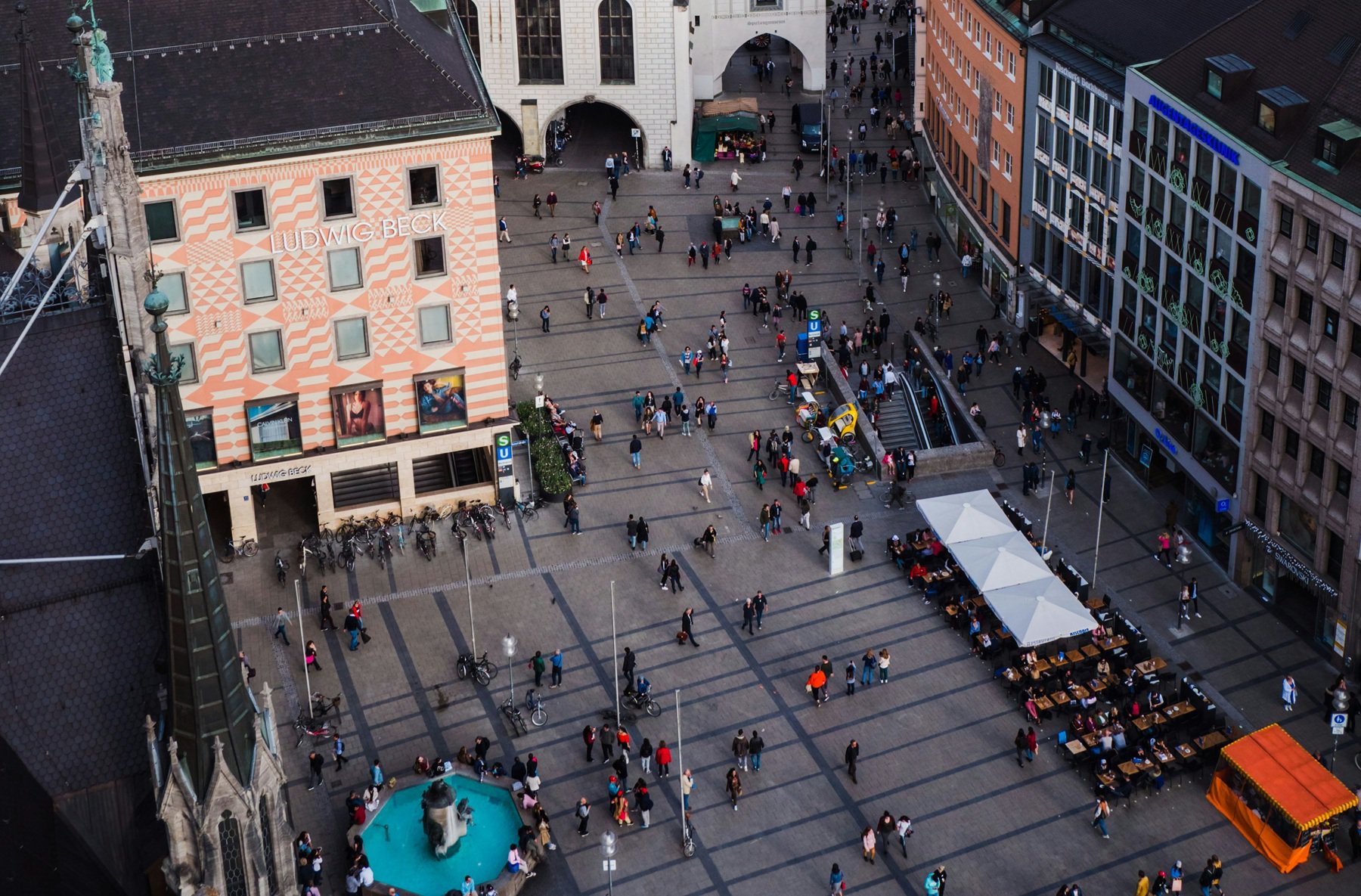
The ground level is typically the most democratic layer of a city. Daily life unfolds on this horizontal plane, where people commute, meet, play, and linger. Unlike towers or rooftops, the ground belongs to everyone. Historically, cities were organised around shared commons, village greens, town squares, and waterfronts that serve as collective living rooms. Over time, this shared ground has steadily shifted towards privatisation.
Podium developments lift life above the street. Gated communities seal off once porous edges. Commercial plazas simulate openness while remaining privately owned. The layer that once fostered civic exchange has become fragmented and conditional. The result is a paradox: cities grow denser, yet meaningful ground-level experience diminishes.
Podium developments lift life above the street. Gated communities seal off once porous edges. Commercial plazas simulate openness while remaining privately owned. The layer that once fostered civic exchange has become fragmented and conditional. The result is a paradox: cities grow denser, yet meaningful ground-level experience diminishes.
Reclaiming the Ground at the City Scale
The erosion of shared ground has been gradual yet profound. Infrastructure has dominated the urban surface. In many countries, highways, flyovers, and rail viaducts prioritise vehicular movement over pedestrian life.
The residual space is noisy, polluted, and inhospitable. This also leads to an accumulation of leftover spaces like underpasses, vacant lots, and ambiguous fringe zones between districts as a by-product of planning decisions.
Reclaiming the ground at the city scale requires both a rebalancing of mobility and a rethinking of infrastructure. Pedestrian-first and shared streets can restore the hierarchy of movement by limiting private vehicles, allowing the ground plane to become slower, safer, and more socially oriented.
At the same time, infrastructure itself can be reprogrammed. Obsolete highways can be decked over to create parks, disused industrial waterfronts can be revamped and opened to the public, and linear transport corridors once designed purely for speed can be transformed into green spines that reconnect fragmented urban fabric and support community life.
The erosion of shared ground has been gradual yet profound. Infrastructure has dominated the urban surface. In many countries, highways, flyovers, and rail viaducts prioritise vehicular movement over pedestrian life.
The residual space is noisy, polluted, and inhospitable. This also leads to an accumulation of leftover spaces like underpasses, vacant lots, and ambiguous fringe zones between districts as a by-product of planning decisions.
Reclaiming the ground at the city scale requires both a rebalancing of mobility and a rethinking of infrastructure. Pedestrian-first and shared streets can restore the hierarchy of movement by limiting private vehicles, allowing the ground plane to become slower, safer, and more socially oriented.
At the same time, infrastructure itself can be reprogrammed. Obsolete highways can be decked over to create parks, disused industrial waterfronts can be revamped and opened to the public, and linear transport corridors once designed purely for speed can be transformed into green spines that reconnect fragmented urban fabric and support community life.
The Paya Lebar Airbase in Singapore presents a unique opportunity to convert used infrastructure land into a community-centric, future-ready township.
Design strategies for the new neighbourhood include:
- self-sustaining flexible community spaces;
- stitching the town with neighbouring residential districts through transport and blue-green networks;
- reusing old airport infrastructure and runways to curate spaces for new social memories.
Another interesting example from the Lion City is the upcoming North-South Corridor (NSC), a multimodal transport corridor. The design aims to divert vehicular traffic into viaducts and tunnels, freeing ground-level space for wider footpaths, cycling paths, bus priority measures, and more communal and green spaces.
The research engages various stakeholders, including merchants, hawkers, and the disabled, to understand their needs and develop design concepts. Image CR: Land Transport Authority
Ground Level Design
City-scale planning must be matched with intentional design at eye-level. It is at this level that urban space becomes meaningful or forgettable. The design of the ground plane shapes how people move, pause, interact, and occupy space in their everyday routines. Strategies include:
Active Edges – Buildings shape ground conditions through their edges. Transparent facades, shaded arcades, and entrances generate permeability and visual interest, in contrast to blank walls.
Temporal Design – Flexible spaces allow the ground to adapt in time and form. From morning markets to evening performance venues, various programs can coexist within the same footprint.
Programming – Engagement makes the ground meaningful. Markets, performances, and community-led events can transform unused spaces into vibrant social grounds.
Protecting Our Grounds for the Long Term
Reclaiming the ground is the first step. Protecting it requires governance and stewardship. Guarding against re-privatisation is critical. Spaces labelled “public” but governed by private management often restrict behaviour. True public ground must remain legally and functionally accessible.
Shared stewardship of public agencies with non-profits and community groups fosters accountability and sustained care. Social life, the everyday acts of sitting, chatting, observing, and celebrating, ultimately protects space better than design alone. When the ground level is consistently used and loved, it becomes politically harder to remove.
City-scale planning must be matched with intentional design at eye-level. It is at this level that urban space becomes meaningful or forgettable. The design of the ground plane shapes how people move, pause, interact, and occupy space in their everyday routines. Strategies include:
Active Edges – Buildings shape ground conditions through their edges. Transparent facades, shaded arcades, and entrances generate permeability and visual interest, in contrast to blank walls.
Temporal Design – Flexible spaces allow the ground to adapt in time and form. From morning markets to evening performance venues, various programs can coexist within the same footprint.
Programming – Engagement makes the ground meaningful. Markets, performances, and community-led events can transform unused spaces into vibrant social grounds.
Protecting Our Grounds for the Long Term
Reclaiming the ground is the first step. Protecting it requires governance and stewardship. Guarding against re-privatisation is critical. Spaces labelled “public” but governed by private management often restrict behaviour. True public ground must remain legally and functionally accessible.
Shared stewardship of public agencies with non-profits and community groups fosters accountability and sustained care. Social life, the everyday acts of sitting, chatting, observing, and celebrating, ultimately protects space better than design alone. When the ground level is consistently used and loved, it becomes politically harder to remove.
Conclusion
The ground is more than a physical surface; it is a civic right. To stand without purchase, to gather without permission, to linger without justification. These are markers of spatial justice.
Safeguarding this right requires more than design or community enthusiasm alone. Government-led planning, regulatory frameworks, and long-term public investment are equally critical in protecting shared ground from gradual erosion. Policies that prioritise pedestrian life, preserve publicly accessible land, and embed social infrastructure into urban development can ensure that ground-level spaces remain genuinely open and inclusive. At the same time, grassroots initiatives and everyday community use give these spaces life and meaning.
Cities are not defined solely by their skylines but by their sidewalks. The right to the city begins at grade. When policy leadership aligns with active community stewardship, the ground can remain open, vibrant, and shared. Only then can urban development move beyond density and efficiency to support the deeper civic life of the city.
The ground is more than a physical surface; it is a civic right. To stand without purchase, to gather without permission, to linger without justification. These are markers of spatial justice.
Safeguarding this right requires more than design or community enthusiasm alone. Government-led planning, regulatory frameworks, and long-term public investment are equally critical in protecting shared ground from gradual erosion. Policies that prioritise pedestrian life, preserve publicly accessible land, and embed social infrastructure into urban development can ensure that ground-level spaces remain genuinely open and inclusive. At the same time, grassroots initiatives and everyday community use give these spaces life and meaning.
Cities are not defined solely by their skylines but by their sidewalks. The right to the city begins at grade. When policy leadership aligns with active community stewardship, the ground can remain open, vibrant, and shared. Only then can urban development move beyond density and efficiency to support the deeper civic life of the city.