Trends
Building the Ideal City: Key factors for Urban Living
September 24, 2024
Key factors for better urban living
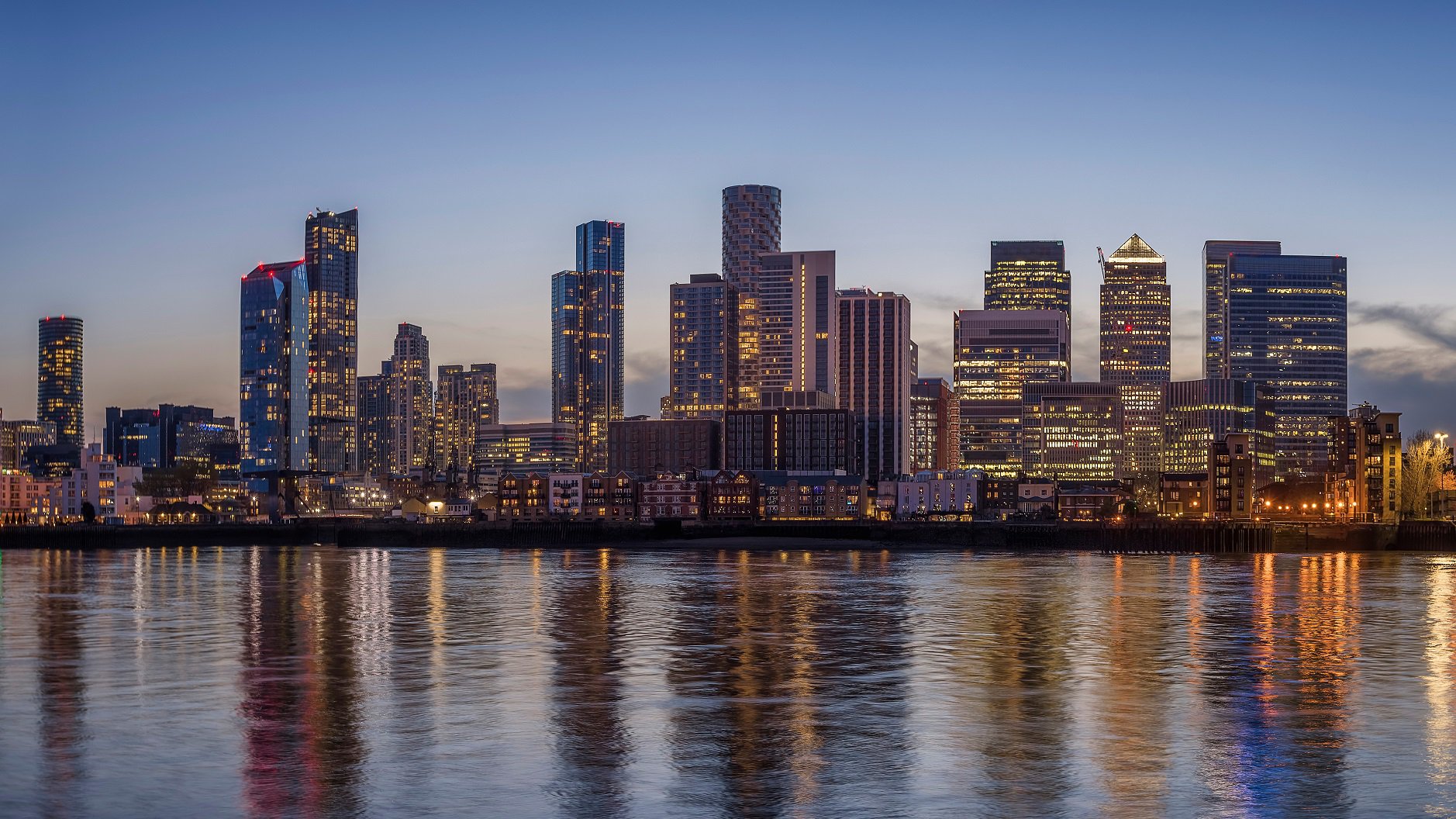
Building the ideal city means creating urban environments that support better living through strong planning, accessibility, sustainability, and quality of life. As cities continue to grow, the way urban spaces are designed and managed plays a major role in shaping how people live, move, work, and connect.
Building the ideal city means creating urban environments that support better living through strong planning, accessibility, sustainability, and quality of life. As cities continue to grow, the way urban spaces are designed and managed plays a major role in shaping how people live, move, work, and connect.
Key factors for better urban living
Several factors contribute to a favourable living environment, from infrastructure and public policy to urban planning initiatives. While some factors are fundamental to livelihood, others enhance a city's appeal and engagement. Key factors for urban living often include efficient public transport, access to green space, mixed use development, walkability, housing quality, and strong civic infrastructure. Together, these elements shape how comfortable, connected, and adaptable a city feels for residents and visitors.
1. Economic Opportunities
Cities are business centres, offering immense potential to create diverse jobs, foster innovation and attract investment. These robust frameworks of cities like London and Tokyo elevate the standard of living, financial stability and prosperity among citizens.
2. Public Safety
Safety is crucial in determining the liveability of a city. Low crime rates, effective law enforcement and disaster preparedness contribute to a sense of security among residents. Authorities may take proactive steps to prevent problems before they happen. Cities with strong public safety like Singapore and Zurich create positive environments where their residents can thrive.
3. Housing
A range of housing options – apartments, single-family homes, and co-living spaces – ensure that people from different economic and social backgrounds find suitable arrangements. Housing policies, planning regulations, and affordability, all play a significant role. Cities like Vienna and Copenhagen are renowned for their well-planned housing policies.
4. Education and Healthcare
Cities that invest in quality public schools and medical facilities ensure their residents’ well-being and future success. It is also critical that these facilities are accessible to everyone equitably. Boston is known for its top-tier educational institutions.
5. Infrastructure and Transport Technology
Efficient infrastructure and transportation networks are the backbone of a thriving urban centre. Well-planned public transit, maintained roads, and integrated technology of cities like Seoul and Amsterdam enhance connectivity and convenience.
Several factors contribute to a favourable living environment, from infrastructure and public policy to urban planning initiatives. While some factors are fundamental to livelihood, others enhance a city's appeal and engagement. Key factors for urban living often include efficient public transport, access to green space, mixed use development, walkability, housing quality, and strong civic infrastructure. Together, these elements shape how comfortable, connected, and adaptable a city feels for residents and visitors.
1. Economic Opportunities
Cities are business centres, offering immense potential to create diverse jobs, foster innovation and attract investment. These robust frameworks of cities like London and Tokyo elevate the standard of living, financial stability and prosperity among citizens.
2. Public Safety
Safety is crucial in determining the liveability of a city. Low crime rates, effective law enforcement and disaster preparedness contribute to a sense of security among residents. Authorities may take proactive steps to prevent problems before they happen. Cities with strong public safety like Singapore and Zurich create positive environments where their residents can thrive.
3. Housing
A range of housing options – apartments, single-family homes, and co-living spaces – ensure that people from different economic and social backgrounds find suitable arrangements. Housing policies, planning regulations, and affordability, all play a significant role. Cities like Vienna and Copenhagen are renowned for their well-planned housing policies.
4. Education and Healthcare
Cities that invest in quality public schools and medical facilities ensure their residents’ well-being and future success. It is also critical that these facilities are accessible to everyone equitably. Boston is known for its top-tier educational institutions.
5. Infrastructure and Transport Technology
Efficient infrastructure and transportation networks are the backbone of a thriving urban centre. Well-planned public transit, maintained roads, and integrated technology of cities like Seoul and Amsterdam enhance connectivity and convenience.
Urban Design Measures
Urban planners, policymakers, governments and organisations play a critical role in shaping cities. By combining strategic planning, innovative design, and policy integration, planners envision happy and healthy places. Urban planning has evolved from encouraging suburban living to the recent rise of compact and smart cities. As we grow and learn from our past, we try to make our cities more livable and sustainable.
These factors are central to urban living and help define what makes a city more liveable, resilient, and future ready. While they may seem like non-material concepts, but they directly affect the form and design of cities. To offer diverse jobs, it is essential to create diverse neighbourhoods through mixed-use zoning. These zones integrate residential, commercial, and civic amenities to encourage business growth and job creation while reducing commute times and promoting local economies.
Integrated neighbourhoods may also promote policies such as the inclusionary zoning of affordable housing. Therefore, the area is not only diverse in function but also in terms of its socio-economic demographics. These neighbourhoods are active day and night, thus ensuring public and community safety. Integrating well-lit streets, open spaces, plazas, and parks foster community interaction and reduces crime rates.
Urban planners are directly involved in strategising public transportation and infrastructure. A focus on multi-modal transport systems, including buses, trains, bike lanes, and pedestrian pathways is essential. This helps reduce traffic congestion and make cities accessible. Incorporating technology such as smart traffic management and IoT devices for monitoring infrastructure can enhance urban efficiency.
Planners and authorities must broaden their thought processes and collaborate to create inclusive societies. Together, they can push policy and decision-makers in the correct direction, to design cities not just for the present, but for the future.
Urban planners, policymakers, governments and organisations play a critical role in shaping cities. By combining strategic planning, innovative design, and policy integration, planners envision happy and healthy places. Urban planning has evolved from encouraging suburban living to the recent rise of compact and smart cities. As we grow and learn from our past, we try to make our cities more livable and sustainable.
These factors are central to urban living and help define what makes a city more liveable, resilient, and future ready. While they may seem like non-material concepts, but they directly affect the form and design of cities. To offer diverse jobs, it is essential to create diverse neighbourhoods through mixed-use zoning. These zones integrate residential, commercial, and civic amenities to encourage business growth and job creation while reducing commute times and promoting local economies.
Integrated neighbourhoods may also promote policies such as the inclusionary zoning of affordable housing. Therefore, the area is not only diverse in function but also in terms of its socio-economic demographics. These neighbourhoods are active day and night, thus ensuring public and community safety. Integrating well-lit streets, open spaces, plazas, and parks foster community interaction and reduces crime rates.
Urban planners are directly involved in strategising public transportation and infrastructure. A focus on multi-modal transport systems, including buses, trains, bike lanes, and pedestrian pathways is essential. This helps reduce traffic congestion and make cities accessible. Incorporating technology such as smart traffic management and IoT devices for monitoring infrastructure can enhance urban efficiency.
Planners and authorities must broaden their thought processes and collaborate to create inclusive societies. Together, they can push policy and decision-makers in the correct direction, to design cities not just for the present, but for the future.
Case Study 1: PIK, Indonesia
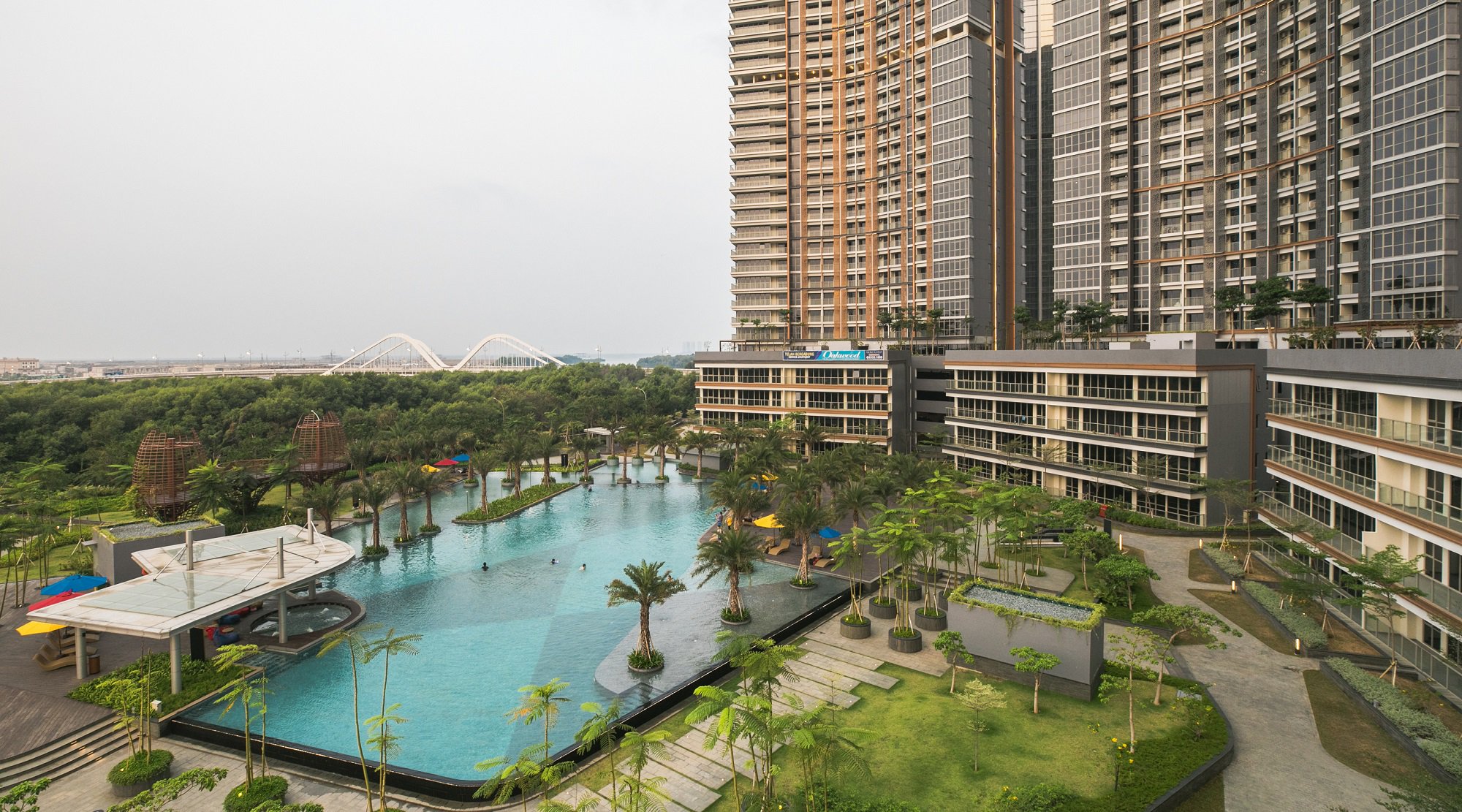
The coastal area along Jakarta Bay is home to several development projects, including Pantai Indah Kapuk (PIK) and its extension PIK2. PIK is an interesting example to study the facilities and amenities that may make a place more liveable. PIK, inaugurated in the 1990s, is an integrated township planned for transit-oriented development. The PIK area houses several housing estates, businesses, shopping districts, and tourist attractions and has continued to grow in phases up to the present day.
PIK has become one of the most sought-after areas for businesses, entertainment and nightlife, providing varied opportunities for work and livelihood. The area remains flood-proof through careful planning and ecological considerations - open spaces, green belts and mangrove protection. The urban zone has several amenities, premier educational institutions and healthcare facilities. Several routes and stops of Jakarta's bus rapid transit system connect PIK with the city and the airport.
Even though any development has its pros and cons, PIK has been a success story as the urban centre is dynamic, engaging and full of life. Busy restaurants, malls and international trade centres are always bustling with crowds. These are a testament to the city’s commercial viability.
The coastal area along Jakarta Bay is home to several development projects, including Pantai Indah Kapuk (PIK) and its extension PIK2. PIK is an interesting example to study the facilities and amenities that may make a place more liveable. PIK, inaugurated in the 1990s, is an integrated township planned for transit-oriented development. The PIK area houses several housing estates, businesses, shopping districts, and tourist attractions and has continued to grow in phases up to the present day.
PIK has become one of the most sought-after areas for businesses, entertainment and nightlife, providing varied opportunities for work and livelihood. The area remains flood-proof through careful planning and ecological considerations - open spaces, green belts and mangrove protection. The urban zone has several amenities, premier educational institutions and healthcare facilities. Several routes and stops of Jakarta's bus rapid transit system connect PIK with the city and the airport.
Even though any development has its pros and cons, PIK has been a success story as the urban centre is dynamic, engaging and full of life. Busy restaurants, malls and international trade centres are always bustling with crowds. These are a testament to the city’s commercial viability.
Case Study 2: Songdo, South Korea
As opposed to this relatively successful example, it is significant to note that over-planning and designing may also lead to cities that alienate their residents. One example of this is the city of Songdo in South Korea. The area was designed with cutting-edge technology, smart-tech homes and efficient infrastructure. Yet, despite several launch attempts, Songdo remains sparsely populated.
The main reasons include high living costs and a top-down approach to planning that ignored the need for organic growth. The city also lacks cultural and social attractions, making the urban centre unappealing. The authorities simply integrated top-notch technology instead of trying to understand the actual needs of the residents.
The future of urban living
It is, therefore, imperative that designers and planners take a people-centric approach in urban planning. Cities keep evolving; the lessons learnt from successes and failures will guide future urban development, ensuring that more people can enjoy the benefits of living in vibrant, well-designed urban environments.
The future of urban living will depend on how well cities balance growth with sustainability, infrastructure, and human experience. The most successful cities will be those that combine strategic planning with inclusive and adaptable design.
As opposed to this relatively successful example, it is significant to note that over-planning and designing may also lead to cities that alienate their residents. One example of this is the city of Songdo in South Korea. The area was designed with cutting-edge technology, smart-tech homes and efficient infrastructure. Yet, despite several launch attempts, Songdo remains sparsely populated.
The main reasons include high living costs and a top-down approach to planning that ignored the need for organic growth. The city also lacks cultural and social attractions, making the urban centre unappealing. The authorities simply integrated top-notch technology instead of trying to understand the actual needs of the residents.
The future of urban living
It is, therefore, imperative that designers and planners take a people-centric approach in urban planning. Cities keep evolving; the lessons learnt from successes and failures will guide future urban development, ensuring that more people can enjoy the benefits of living in vibrant, well-designed urban environments.
The future of urban living will depend on how well cities balance growth with sustainability, infrastructure, and human experience. The most successful cities will be those that combine strategic planning with inclusive and adaptable design.