Trends
Architecture as a Catalyst for Placemaking
January 28, 2026
Architecture is more than creating buildings in isolation. It has the power to breathe life into spaces, give identity to places and instil a sense of belonging. The built environment forms an urban fabric that stitches individuals into a community.
Architecture is essentially experiential; it influences how people move through spaces, where they pause and how they congregate. Design details, materiality, scale and rhythm all affect human behaviour and emotion. Framing architecture as an experience rather than an object gives it the capacity to foster connection and vitality.
Architecture is essentially experiential; it influences how people move through spaces, where they pause and how they congregate. Design details, materiality, scale and rhythm all affect human behaviour and emotion. Framing architecture as an experience rather than an object gives it the capacity to foster connection and vitality.
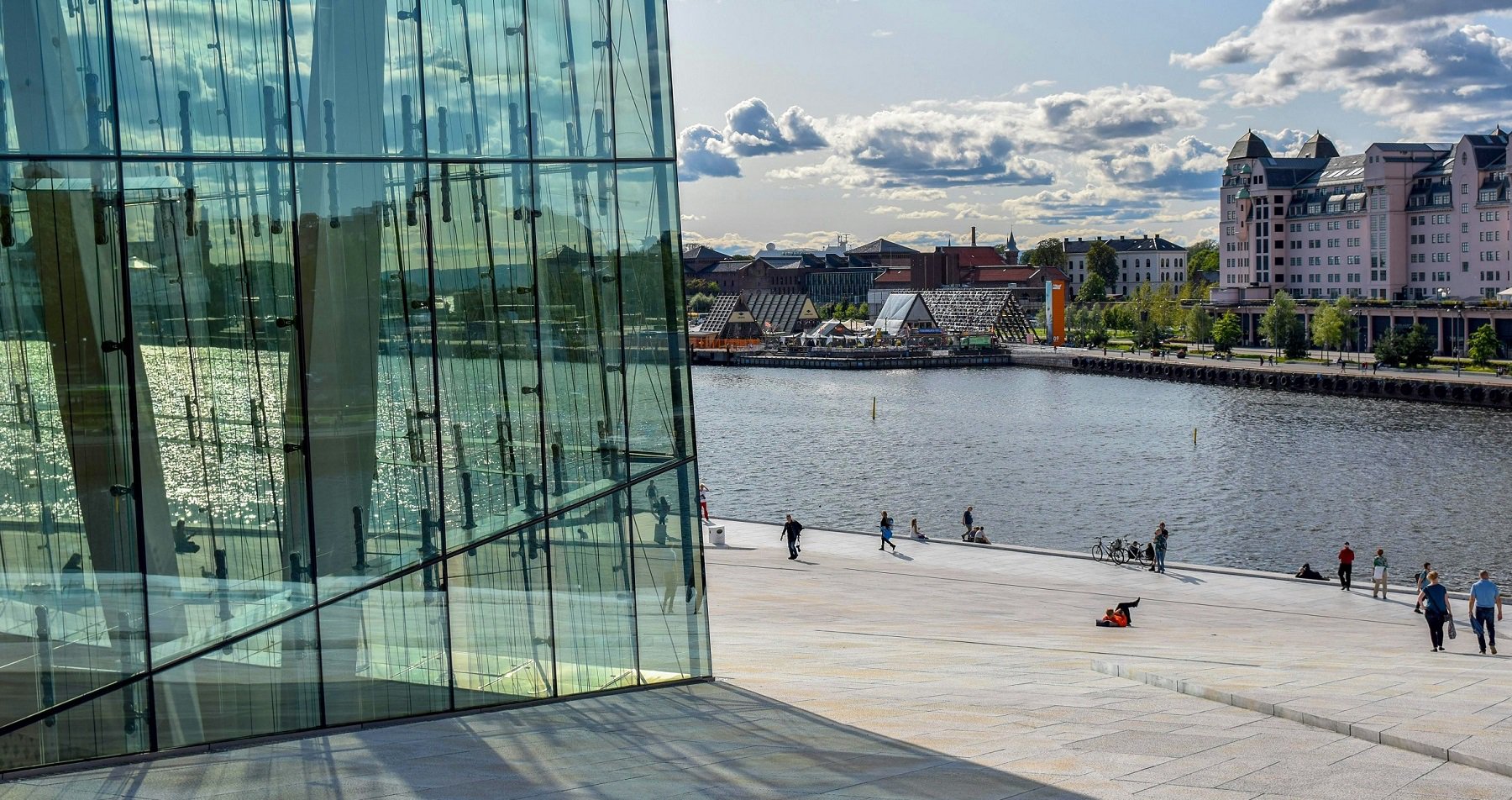
Architecture can also shape social behaviour. Well-designed spaces provide opportunities for both planned and spontaneous interaction. Steps that double as seating, wide corridors that become informal meeting areas and courtyards that accommodate activities encourage people to coexist and connect.
Beyond function, architecture serves as a vessel for cultural expression. Through form, materiality, craftsmanship, and symbolism, buildings can reflect local traditions and contemporary identities. Placemaking provides a stage for cultural life by hosting festivals, rituals, art, and everyday practices. It allows culture to be lived and shared, rather than merely preserved.
Beyond function, architecture serves as a vessel for cultural expression. Through form, materiality, craftsmanship, and symbolism, buildings can reflect local traditions and contemporary identities. Placemaking provides a stage for cultural life by hosting festivals, rituals, art, and everyday practices. It allows culture to be lived and shared, rather than merely preserved.
Key Elements of Architecture in Placemaking
1. Human-centred Proportions
Influential placemaking begins with designing for people rather than monuments or vehicular traffic. This ensures that buildings and spaces feel approachable, comfortable and intuitive. When scale aligns with the human body, people are more likely to linger, interact and feel at ease.
2. Edges and Permeability: Activating Building Interfaces
Active edges between buildings and public spaces, such as storefronts, cafes, shaded verandahs, steps, and transparent facades, create visual and social exchange. These interfaces blur boundaries between the interior and exterior spaces, animate streets and squares, transforming them from mere corridors of movement into places of encounter. This connectivity strengthens urban life by encouraging movement, chance encounters, and continuity between private and collective experiences. Dead edges, by contrast, drain life from public realms.
3. Adaptability and Flexibility
Design that allows for multiple uses, future modification and evolving social patterns remains relevant long after its original program has lapsed. Modular elements, flexible layouts and multipurpose spaces support long-term placemaking.
4. Sensory Experience
Architecture can engage multiple senses like light and shadow, texture, sound, smell and temperature, creating memorable experiences. Natural materials, filtered daylight, water features, vegetation and acoustic considerations contribute to environments that feel dynamic and responsive.
5. Memory, Narrative, and Co-creation
Design can anchor collective memory, preserve traces of the past, and connect new development with historical continuity through storytelling. Architecture that incorporates local voices, cultural practices, and user feedback becomes more authentic. Co-created spaces foster stewardship and long-term care.
1. Human-centred Proportions
Influential placemaking begins with designing for people rather than monuments or vehicular traffic. This ensures that buildings and spaces feel approachable, comfortable and intuitive. When scale aligns with the human body, people are more likely to linger, interact and feel at ease.
2. Edges and Permeability: Activating Building Interfaces
Active edges between buildings and public spaces, such as storefronts, cafes, shaded verandahs, steps, and transparent facades, create visual and social exchange. These interfaces blur boundaries between the interior and exterior spaces, animate streets and squares, transforming them from mere corridors of movement into places of encounter. This connectivity strengthens urban life by encouraging movement, chance encounters, and continuity between private and collective experiences. Dead edges, by contrast, drain life from public realms.
3. Adaptability and Flexibility
Design that allows for multiple uses, future modification and evolving social patterns remains relevant long after its original program has lapsed. Modular elements, flexible layouts and multipurpose spaces support long-term placemaking.
4. Sensory Experience
Architecture can engage multiple senses like light and shadow, texture, sound, smell and temperature, creating memorable experiences. Natural materials, filtered daylight, water features, vegetation and acoustic considerations contribute to environments that feel dynamic and responsive.
5. Memory, Narrative, and Co-creation
Design can anchor collective memory, preserve traces of the past, and connect new development with historical continuity through storytelling. Architecture that incorporates local voices, cultural practices, and user feedback becomes more authentic. Co-created spaces foster stewardship and long-term care.
Case Study: Tai Kwun – Centre for Heritage and Arts, Hong Kong
The former Central Police Station, Central Magistracy, and Victoria Prison is a walled compound of significant British-era heritage. These were decommissioned in 2006, leaving two sizeable courtyards amid one of the world’s densest cities.
The design goal was to preserve the openness and distinct character of the courtyards and reactivate them as public spaces of gathering, cultural exchange, leisure and respite. The spaces are now urban oases of calm within a forest of commercial and residential high-rises.
The Parade Ground, bordered by historic buildings on each side, is now an open space with ample room for public recreation, events, and direct access to retail, as well as small-scale cultural and educational spaces. The Prison Yard has been transformed into a space dedicated to cultural and art programming.
The former Central Police Station, Central Magistracy, and Victoria Prison is a walled compound of significant British-era heritage. These were decommissioned in 2006, leaving two sizeable courtyards amid one of the world’s densest cities.
The design goal was to preserve the openness and distinct character of the courtyards and reactivate them as public spaces of gathering, cultural exchange, leisure and respite. The spaces are now urban oases of calm within a forest of commercial and residential high-rises.
The Parade Ground, bordered by historic buildings on each side, is now an open space with ample room for public recreation, events, and direct access to retail, as well as small-scale cultural and educational spaces. The Prison Yard has been transformed into a space dedicated to cultural and art programming.
New building volumes have been added above the historic buildings. These raised volumes create new circulation spaces, resulting in protected places for gathering and activity. A new wing hovers above the revetment wall, creating a covered public outdoor gathering, cinema and performance space with a large stair featuring steps that double as seating.
The architectural intervention opens the compound, adding multiple new entrances, transparent ground-floor programmes, galleries and cafes that activate the building edge. Despite its size, the building maintains human-centred proportions through courtyards, terraces and layered circulation, encouraging lingering and everyday use. Historic material with contemporary insertions, shaded open spaces and acoustic diversity create a multisensory environment.
Tai Kwun is now a key social and cultural anchor in Central Hong Kong, increasing pedestrian movement, night-time activity, and cultural engagement. The architecture does not merely occupy the site; it reshapes urban life around it.
Image CR: Tai Kwun
The architectural intervention opens the compound, adding multiple new entrances, transparent ground-floor programmes, galleries and cafes that activate the building edge. Despite its size, the building maintains human-centred proportions through courtyards, terraces and layered circulation, encouraging lingering and everyday use. Historic material with contemporary insertions, shaded open spaces and acoustic diversity create a multisensory environment.
Tai Kwun is now a key social and cultural anchor in Central Hong Kong, increasing pedestrian movement, night-time activity, and cultural engagement. The architecture does not merely occupy the site; it reshapes urban life around it.
Image CR: Tai Kwun
Conclusion
Viewing architecture solely as the production of buildings is missing its deeper potential. Placemaking invites us to reimagine the built environment as a collection of stories shaped by people, culture, memory, and experience. Architecture becomes meaningful when it resonates with human life and fosters connection.
When architecture embraces this integrated approach, it transcends aesthetics and function, becoming a catalyst for vibrant, inclusive, and enduring places. In doing so, it shapes cities and enriches the lives lived within them.
Viewing architecture solely as the production of buildings is missing its deeper potential. Placemaking invites us to reimagine the built environment as a collection of stories shaped by people, culture, memory, and experience. Architecture becomes meaningful when it resonates with human life and fosters connection.
When architecture embraces this integrated approach, it transcends aesthetics and function, becoming a catalyst for vibrant, inclusive, and enduring places. In doing so, it shapes cities and enriches the lives lived within them.